
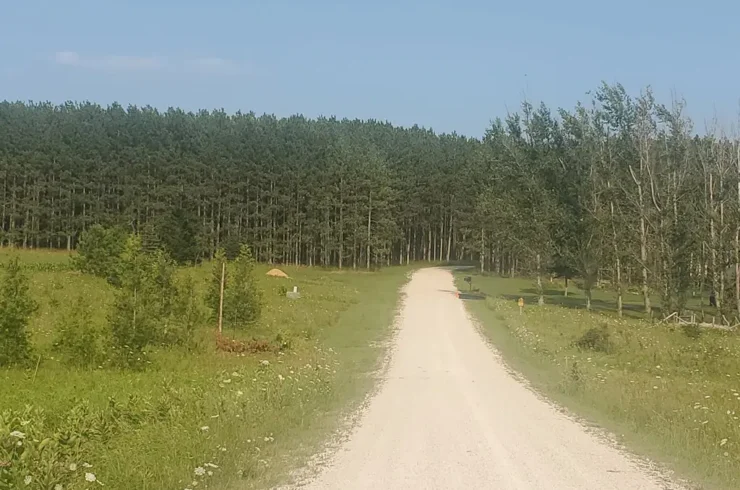
The Critical Guide: Small Acreage Homes for Sale Sturgeon Bay
With the finished home inventory crunch tight, buying land and building custom is the ultimate luxury move in Door County. But buying a vacant lot is not the same as buying a house. This guide shows you how to navigate the complexities of small acreage homes for sale Sturgeon Bay construction and secure a buildable site.
The process involves risks hidden beneath the soil and in the zoning code. Before you commit to a major purchase, you must complete three critical due-diligence steps.
Step 1: Mitigate Risk (The “No Septic, No House” Rule)
The most important step is ensuring the land can support a septic system. In Wisconsin, you no longer do a simple “perc test.”
- The Requirement (POWTS): You need a Site & Soil Evaluation (for a Private On-site Wastewater Treatment System, or POWTS). A certified soil tester must dig deep pits (often 8 feet) to evaluate the soil layers.
- The Tester’s Goal: They are looking for limiting factors like bedrock, an overly high water table, or dense, impermeable clay.
- The Contingency: Make your offer to purchase land contingent on receiving a passing soil evaluation. A failing test means you cannot get a sanitary permit, and without that, you cannot get a building permit.
Step 2: Know Your Zone (Acreage and Setbacks)
Door County maintains strict zoning rules to protect its rural character and water quality. What you buy dictates what you can build.
Acreage Minimums
- The Villages (Sister Bay, Egg Harbor): Lots are typically smaller, but you must follow village ordinances.
- The Towns (Rural): Minimum lot sizes are often 3 to 10 acres (Heartland-3.5 or Heartland-10 zones). This ensures low density.
- Waterfront Setbacks: Always confirm the 75-foot setback from the Ordinary High Water Mark (OHWM). Your house cannot be built in this protected zone.
The Permit Process
Your architect and builder will need: County Zoning Permit -> County Sanitary Permit (based on your soil test) -> Erosion Control Plan ->Town Building Permit.
The “RV on the Land” Reality Check
Many buyers ask: “Can I live in my RV or trailer while I build my custom home?”
In the Sturgeon Bay area and throughout much of Door County, the answer is a very cautious “only temporarily.”Here is the breakdown of the rules you need to know before you pull the trailer onto your new lot:
1. The 30-Day Rule (County Zoning)
If your property falls under Door County Comprehensive Zoning (which includes many areas around Sturgeon Bay), you are generally limited to 30 days of “camping” per calendar year.
- The Catch: Those 30 days are often cumulative. The county may count every day the RV is parked on the property, even if you aren’t sleeping in it, toward that 30-day limit.
- The Requirement: You must still have an approved method for sanitary waste (septic or a portable toilet with documented disposal).
2. Temporary Occupancy Permits (The Construction Loophole)
If you have an active building permit and are in the process of construction, some townships (like Sevastopol or the City of Sturgeon Bay) may allow for a Temporary Occupancy Permit.
- Conditions: You usually cannot get this permit until your permanent septic system and well are installed and hooked up to the RV.
- Time Limits: These permits are typically issued for 6 months to a year and require you to be making “diligent progress” on the primary home.
3. Storage vs. Living
- Undeveloped Land: In most zones, you cannot store an RV on a vacant lot. It must be removed after your 30-day “camping” window.
- Developed Land: Once your home is built, you can generally store one RV on your property, provided it meets setback requirements and is not being used for sleeping or as a guest house.
4. Nasewaupee: The “Unzoned” Exception
Just south of Sturgeon Bay, the Town of Nasewaupee is one of the few areas with no town-wide zoning. While they still require permits for waste handling, they historically have had much fewer restrictions on how long a camper can remain on private property. This makes Nasewaupee a “hot spot” for buyers who specifically want to use an RV for long-term seasonal use
Step 3: Check the Water (Well Quality)
In a rural area, you are responsible for your own water supply. Do not make assumptions about quality.
- Testing is Key:Before closing, hire a professional to test the well water. The three non-negotiable tests are:
- Coliform Bacteria (E. coli): Indicates surface contamination.
- Nitrate: Comes from fertilizers or septic systems.
- Arsenic: Occurs naturally in some Wisconsin groundwater.
- Well Location: Ensure the well is located safely away from the septic field, property lines, and potential contaminants.
Final Thoughts
Buying land is an opportunity to control your future home’s destiny. But the risk is high. Your agent must be an expert in Door County’s zoning code, not just market values.
Request a “Land Suitability Audit”
You need eyes on the soil before you sign the paperwork.
Request our Private Audit: “Door County Land Suitability Pre-Check.”
We will:
- Run a GIS check on the property’s zoning classification (EA, HL5, RR) to confirm the minimum acreage and setbacks.
- Review any existing soil test reports filed with the County Sanitarian.
- Connect you immediately with a certified soil tester and well inspector to schedule your due diligence.
Secure your future home site. Contact us today for your land audit.
Connect with Our Expertise
Use these guides to prepare for your custom build.
- Building Costs: Cost to Build a Luxury Home Sturgeon Bay: 3 Price Tiers
- Design Inspiration: Door County Architect Designed Homes Portfolio: Our Top 3 Selections
- Shoreline Rules: Ephraim private shoreline access rules